Are Parents Going Into Debt So Their Kids Can Fit In? The Family Budget Problem No One Wants to Admit
Many parents are overspending or going into debt so their kids can fit in. Here’s the hard truth, what causes it, and how to protect your family budget without guilt.
FAMILY MONEY TIPS
Jacqueline Wise
6 min read


Are Parents Going Into Debt So Their Kids Can Fit In?
Disclaimer: This post may contain affiliate links. If you buy through them, I may earn a small commission at no extra cost to you. I only share tools I believe are genuinely useful for busy families.
A lot of family overspending is not about groceries, rent, or real emergencies.
It is about pressure.
-Pressure for the right shoes.
-Pressure for the right activities.
-Pressure for the right birthday party.
-Pressure for the right backpack, water bottle, tech, lunch, brand, and lifestyle.
And too many parents are paying for that pressure with debt.
Recent reporting on survey data says 66% of parents would go into debt to help their child fit in at school, and 57% admit they overspend to avoid disappointing their kids. Separate reporting says 60% of parents with kids under 18 have gone into debt to cover their children’s needs (badcredit.org).
That should make people uncomfortable. Because this is now being treated like normal parenting. It should not be.
Need one simple place to keep your family budget organized?
My Simple Family Budget System – Core helps busy families track bills, spending, and real-life expenses without a complicated system.
The pressure on parents is real
This is not just about weak budgeting. It is about a culture that keeps raising the price of “good parenting.”
Parents are dealing with inflation, higher interest costs, and the constant pressure to provide more. Reporting tied that debt trend to rising costs, social expectations, and a more intensive parenting culture that pushes families toward more spending on kids’ needs and opportunities (parents.com).
Social media makes it worse.
AP reporting noted that social media microtrends push people to spend to participate, and that this can derail financial goals or even push people into debt (apnews.com).
For families, that pressure gets multiplied.
-It's not just your own spending habits.
-It's your child’s social world.
-It's what their friends have.
-It's what other parents are buying.
-It's what looks “normal” online.
That is how family budgets start bleeding from a hundred “small” decisions.
What “fit in” spending looks like in real life
This problem usually does not show up as one huge bad decision. It shows up as repeated lifestyle spending that gets emotionally justified.
Examples:
branded shoes and clothing
expensive school extras
sports fees, gear, tournaments, and travel
trendy water bottles, lunch gear, and accessories
upgraded phones or devices “because everyone has one”
birthday parties that quietly turned into events
replacing usable items because they are not the “right” version
Parents.com’s reporting on the survey about fitting in specifically called out pressure around name-brand water bottles, logo backpacks, and expensive leggings, which is exactly how this works in normal family life: not always as necessity, but as social belonging.
That is the real issue. Families are not only budgeting for needs anymore. They are budgeting for social survival.
The line between caring and overextending
Helping your child feel included is not stupid. But going into debt to maintain a lifestyle image is not wise either. That is the hard truth.
Parents tell themselves:
“It’s just this once.”
“I don’t want them to feel left out.”
“Other families are doing it.”
“They deserve it.”
“I’ll make up for it later.”
But repeated emotional spending is still overspending.
And when it starts hurting your savings, debt payoff, groceries, emergency fund, or peace of mind, it stops being generous and starts being destructive.
Bankrate reported that 61% of parents of adult children have made financial sacrifices to help their kids, and the most common sacrifices included emergency savings and paying down debt.
That matters because the pattern does not just disappear when kids get older. Families can build years of financial strain by normalizing rescue spending.
If overspending has already turned into debt, the next step is not guilt. It is a plan. My Debt Repayment Planner helps you organize balances, compare payoff options, and make steady progress without feeling overwhelmed.
Get yours here: Debt Repayment Planner
Why this keeps happening to good families
This is not mainly a math problem. The problems are guilt, comparison, and fear.
Parents do not want to feel like they are failing their kids. They do not want their child to be the only one without something. They do not want to say no when everything around them says yes.
So the budget gets bent to protect emotions.
That is understandable. But it is still dangerous.
The family budget gets wrecked fastest when spending decisions are made to reduce guilt instead of increase stability.
That is the trap:
you spend to avoid disappointment
you justify it as love
you feel temporary relief
then the bills show up
then the stress grows
then the cycle repeats
This is also why a lot of budget advice fails. It focuses on categories and spreadsheets, but ignores the emotional reason families are overspending in the first place.
What to do instead
You do not need a perfect system. You need clear rules.
1. Decide what your family values actually are
-Not what other parents value.
-Not what TikTok values.
-Not what the school parking lot values.
Ask:
What matters most in our home?
What are we willing to spend on?
What are we not willing to finance with debt?
If you do not define this, social pressure will define it for you.
2. Separate needs, enrichment, and status spending
Try three buckets:
Needs: school basics, food, transportation, required fees
Enrichment: activities, learning tools, moderate extras
Status spending: trend-driven or image-driven purchases
A lot of family budget stress comes from pretending status spending is a need. It is not.
3. Set a “fit in” number
Make it a real line in the budget tracker. This is the amount you are willing to spend each month or season on non-essential kid-related social pressure items.
When it is gone, it is gone.
That one rule can stop emotional overspending fast.
4. Stop using debt to solve short-term discomfort
Debt makes the guilt go away for five minutes.
Then it replaces it with financial stress.
If you need to borrow so your child can keep up socially, the issue is no longer the purchase.
It is the system around the purchase.
5. Normalize “not right now”
Kids do not need parents who say yes to everything. They need parents who can keep the household stable. Sometimes the best family lifestyle decision is the least flashy one.
Helpful tools for keeping family spending visible:
Family planner wall calendar — Click Here
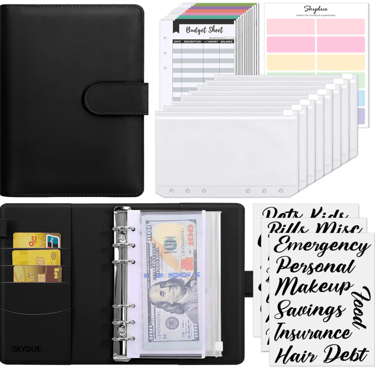
Budget binder — Click Here
A simpler way to manage family spending
Most families do not need a more complicated budget. They need one place to track what matters, see what is coming, and make calmer decisions before money disappears.
Trying to keep family spending organized without overthinking it?
My Simple Family Budget System helps you track bills, spending, and real-life family expenses in one place.
Get it here: Simple Family Budget - Core
What I would do as a parent
I would stop pretending every kid-related purchase is automatically justified.
Some are necessary.
Some are meaningful.
Some are memory-making.
...and some are just expensive social compliance.
Those are not the same thing.
If your family budget is getting hit so your child can “fit in,” the answer is not more guilt. It is stronger boundaries. Because a child who does not get every trend item is not being deprived. But a family buried in debt is being damaged.
Final thoughts
Modern family life is expensive enough without adding pressure spending on top of it.
You do not need to fund every trend, every activity, every brand, or every expectation to be a good parent.
A strong family budget is not built by keeping up. It is built by knowing what matters, ignoring what does not, and refusing to go broke for appearances.
Two simple tools for the next step:
Want help managing everyday family money? Start with my Simple Family Budget System – Core:
Click here to get your own budget tracker
Already dealing with debt and need a focused payoff plan? Use my Debt Repayment Planner: