
How to Travel to Hawaii on a Budget
Plan a family trip to Hawaii and don't want to blow the budget? Here are practical tips for finding cheap flights, choosing affordable accommodations, saving on food, and enjoying low-cost activities that still make the trip feel special.
LIFESTYLE
Jacqueline Wise
7 min read
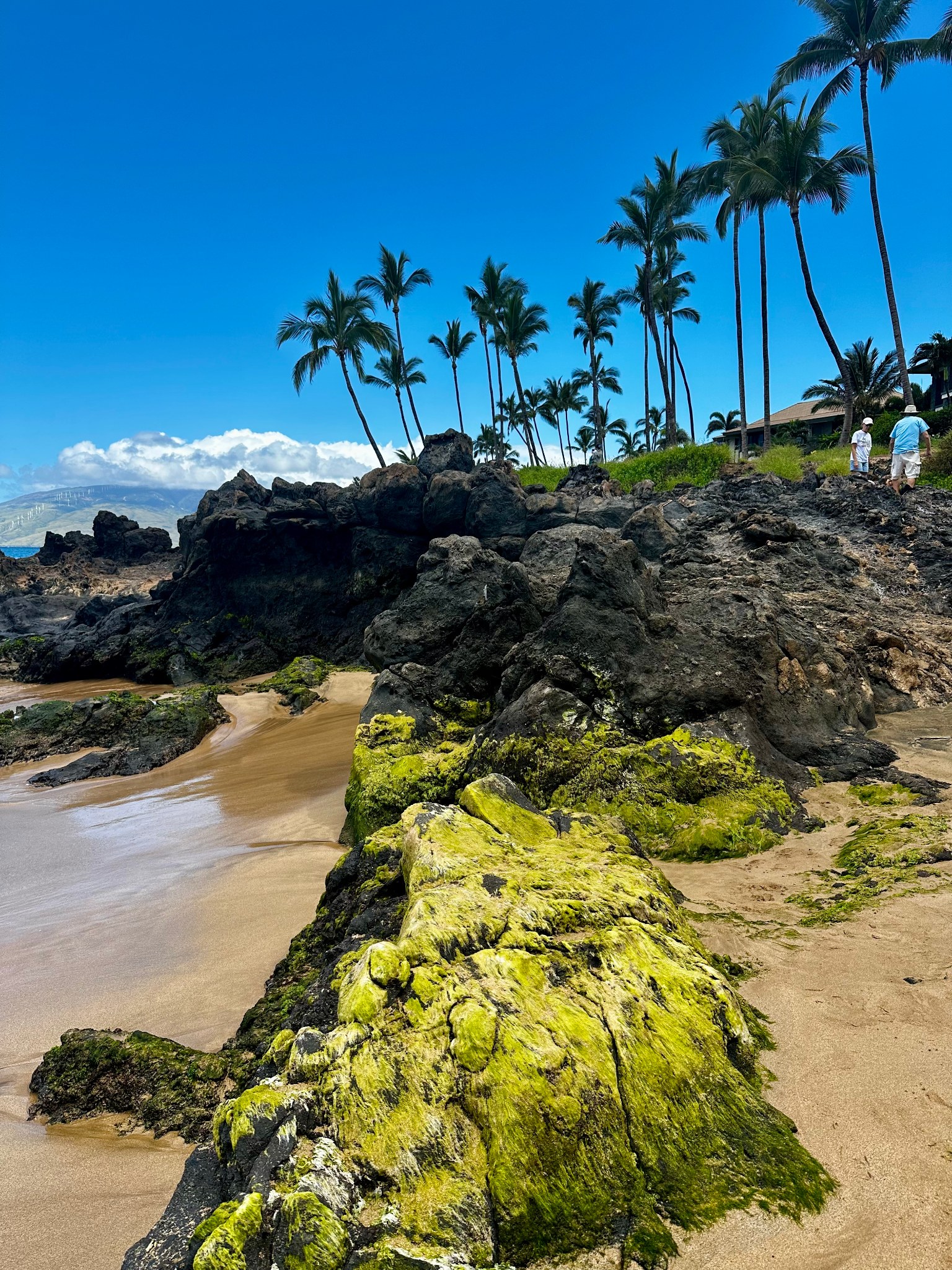
How to Travel to Hawaii on a Budget as a Family
Hawaii is not usually described as a “cheap” family vacation. Flights, accommodations, groceries, car rentals, activities, and eating out can add up fast.
But that does not mean Hawaii has to be out of reach.
The trick is not doing Hawaii the most expensive way. You do not need a resort meal every night, a paid excursion every day, or a suitcase full of things you can rent locally. A budget-friendly Hawaii trip is possible when you plan early, choose where to spend, and keep the everyday costs under control.
Here’s how to make a family trip to Hawaii feel amazing without letting it wreck your budget.
Disclosure: This post may contain affiliate links. As an Amazon Associate, I earn from qualifying purchases at no extra cost to you. I only suggest items that are relevent and useful in travelling.
Contents
Start Watching Flights Early
Choose Accommodations That Help You Save on Food
Stock Up on Groceries Instead of Eating Out Every Meal
Plan Simple Meals Before You Go
Rent Beach and Snorkel Gear Instead of Buying Everything
Choose Free and Low-Cost Activities
Save Paid Activities for the Ones That Matter Most
Set a Daily Spending Plan
Budget-Friendly Hawaii Packing List
Final Thoughts
1. Start Watching Flights Early
Flights are one of the biggest costs of a Hawaii trip, especially for families. The earlier you start looking, the more time you have to learn what a normal price looks like.
A good starting point is 6 to 9 months before your trip, especially if you are travelling during school breaks, Christmas, spring break, or summer.
You do not need to book the first flight you see. Start by checking prices regularly so you can spot a real deal when one comes up.
Tips for finding cheaper flights:
Check flights from nearby airports.
Be flexible with your travel dates if possible.
Compare midweek flights with weekend flights.
Use Google Flights or another flight tracker.
Set alerts for your preferred route.
Watch for seat sales from major airlines.
Avoid peak holiday travel dates when possible.
Compare direct flights with one-stop flights.
For Canadian families, it may also be worth checking flights from larger airports if you can reasonably get there. Sometimes the savings are worth it. Sometimes they are not. Do the math before assuming.
Budget tip: Before booking, price out the full cost. That means baggage fees, seat selection, layovers, airport parking, hotels near the airport if needed, and transportation when you arrive.
2. Choose Accommodations That Help You Save on Food
Hotels can be beautiful, but they are not always the most budget-friendly option for families.
If you are trying to keep costs down, look for accommodations that give you access to a kitchen or kitchenette. This is where rentals like VRBO, Airbnb, condo hotels, and privately owned vacation condos can make a big difference.
A full kitchen can save you hundreds of dollars because you are not forced to eat every meal at a restaurant.
What to look for:
Full kitchen or kitchenette
Fridge and freezer
Coffee maker
Washer and dryer
Free parking
Beach chairs, umbrella, cooler, or beach toys included
Walkable location near beaches or grocery stores
Enough beds so everyone sleeps properly
Also check the cleaning fees, resort fees, parking fees, and taxes before comparing prices. A place that looks cheaper at first can become much more expensive at checkout.
Budget tip: A condo with a kitchen may cost more per night than a basic hotel room, but it can still save money overall if you eat breakfast, snacks, and some dinners there.
3. Stock Up on Groceries Instead of Eating Out Every Meal
Food in Hawaii can be expensive, especially if you are feeding kids. Eating out for every breakfast, lunch, snack, coffee, and dinner adds up quickly.
One of the easiest ways to save is to do a grocery run shortly after you arrive.
Costco is a popular stop for Hawaii travellers because it can be useful for bulk items, snacks, beach food, drinks, sunscreen, and easy meals. Costco has Hawaii locations on several major islands, including Maui, Oahu, Kauai, and the Big Island.
Good grocery items to buy:
Breakfast foods
Coffee
Fruit
Yogurt
Eggs
Sandwich supplies
Wraps
Pasta
Snacks
Drinks
Granola bars
Beach lunches
Easy dinners
Sunscreen
Paper plates
Zip bags
Cooler items
You can still enjoy restaurants. Just do it intentionally. Pick the meals that actually matter to you.
For example:
Eat breakfast at the condo.
Pack lunch for the beach.
Go out for dinner a few times.
Buy treats like shave ice, coffee, or ice cream when it feels worth it.
This keeps the trip fun without letting food spending get out of control.
4. Plan Simple Meals Before You Go
You do not need a strict meal plan, but having a loose food plan helps.
Before the trip, write down a few easy meals your family will actually eat. Keep it simple. This is not the time for complicated cooking.
Easy Hawaii vacation meal ideas:
Bagels, fruit, and coffee
Eggs and toast
Yogurt and granola
Sandwiches and chips
Wraps and fruit
Pasta and salad
Burgers or hot dogs
Rotisserie chicken with salad
Tacos
Snack plates with crackers, cheese, fruit, and veggies
The goal is not to cook every meal. The goal is to avoid spending $80 every time your family needs food.
Want to keep your food spending under control while travelling? Use my simple family budget tracker to plan your grocery budget, restaurant budget, and daily spending before you go. Get yours here:
5. Rent Beach and Snorkel Gear Instead of Buying Everything
If your family wants to snorkel, boogie board, or spend long days at the beach, renting gear locally can be easier than packing or buying everything.
Local rental shops often rent snorkel sets, fins, boogie boards, beach chairs, umbrellas, coolers, and other beach items. Boss Frog’s lists rental locations on Maui, Kauai, and Kona, and Auntie Snorkel offers snorkel and beach rentals in Maui, including Kihei and Lahaina-area options.
Rental items worth checking:
Snorkel gear
Fins
Boogie boards
Beach chairs
Umbrella
Cooler
Life jackets for kids
Beach wagon
Paddle boards
Renting can be especially useful if you only need the items for a few days.
Before you rent, compare prices for daily versus weekly rentals. Weekly rentals can sometimes be the better deal if you know you will use the gear often.
Budget tip: Ask your accommodation host what beach gear is already included before renting anything.
6. Choose Free and Low-Cost Activities
Hawaii’s best parts are often free or low-cost: beaches, sunsets, walks, hikes, scenic drives, and swimming.
You do not need to book a paid activity every day. In fact, with kids, simple days are often better.
Budget-friendly family activity ideas:
Beach days
Snorkelling from shore
Sunset walks
Tide pool exploring
Picnic lunches
Scenic drives
Easy hikes
Local playgrounds
Farmers markets
Walking through beach towns
Watching surfers
Visiting lookout points
Playing in the sand
Swimming at the pool
Searching for sea turtles from a safe distance
Hawaii has many hiking trails across coastal, rainforest, and volcanic environments, but conditions can vary. Stick to legal, open trails and check conditions before you go. The State of Hawaii’s Division of State Parks recommends being prepared and choosing hikes that match your ability.
For families with young kids, choose shorter walks and easier trails. Do not underestimate heat, mud, waves, or slippery rocks.
Easy family rule:
Plan one main thing per day.
That could be a beach, a short hike, a snorkel spot, or a scenic drive. Leave room for naps, snacks, pool time, and tired kids.
Trying to pack too much into every day usually costs more and makes everyone crankier.
7. Save Paid Activities for the Ones That Matter Most
Paid excursions can be amazing, but they are expensive for families.
Instead of booking something every day, choose one or two special activities and build the rest of the trip around low-cost plans.
Examples:
Boat snorkel tour
Luau
Surf lesson
Helicopter tour
Whale watching, depending on season
Zipline
Guided cultural tour
Before booking, ask yourself:
Is this worth the cost for every person?
Will the youngest child actually enjoy it?
Is there a cheaper version?
Can we do something similar on our own?
Is this the activity we will remember most?
This helps you spend on the experiences that actually matter instead of paying for things just because they are popular.
8. Set a Daily Spending Plan
Hawaii spending gets out of hand when everything feels like a “vacation exception.”
A daily spending plan keeps you honest without ruining the fun.
You can still buy the shave ice. You can still go out for dinner. You can still rent snorkel gear. The difference is that you know where the money is going.
Simple categories to track:
Flights
Accommodations
Car rental
Gas
Groceries
Restaurants
Activities
Beach rentals
Souvenirs
Parking
Tips
Miscellaneous
The goal is not to track every penny perfectly. The goal is to avoid coming home shocked by the credit card bill.
If you want a simple way to plan your trip costs before you go, my Simple Family Budget System can help you organize flights, food, activities, and everyday spending in one place. Get yours here:
9. Budget-Friendly Hawaii Packing List: Bring What Saves You Money
One easy way to overspend in Hawaii is re-buying small things you already have at home.
You do not need to overpack, but a few practical items can save money once you arrive. This is especially true for families because snacks, sunscreen, water bottles, beach items, and kid supplies add up quickly.
Helpful items to pack:
Reusable water bottles
Packing cubes
Kids’ headphones
Small travel activities for the plane
Waterproof phone pouch
Portable charger
Reef-safe sunscreen
Rash guards
Lightweight beach bag
Travel snack containers
Small first-aid kit
Laundry detergent sheets or pods
Before buying anything, check what your rental already includes. Some condos provide beach towels, chairs, umbrellas, coolers, sand toys, or laundry supplies.
You can also see my Amazon Family Hawaii Packing List for recommended travel items.
For snorkelling, I would personally rent gear from a local shop or use a traditional child-sized mask and snorkel set instead of relying on full-face snorkel masks for kids. Local rental shops can usually help with sizing, fit, and basic safety tips.
10. Make the Trip Feel Special Without Overspending
A budget Hawaii trip should not feel like saying no to everything.
It should feel like choosing better.
Spend money where it adds real value. Save money where it does not.
For most families, kids remember:
Playing in the ocean
Eating snacks on the beach
Swimming in the pool
Seeing waterfalls
Watching sunsets
Getting ice cream
Finding shells
Seeing turtles
Being together
They do not care if every dinner was at a restaurant or every activity was booked through a tour company.
A good Hawaii trip does not have to be the most expensive version. It just needs to be planned well.
Final Thoughts
Travelling to Hawaii on a budget is about being realistic.
Flights and accommodations will likely be expensive. Food can be expensive. Activities can be expensive.
But you can control a lot of the trip by planning early, choosing accommodations with a kitchen, buying groceries, renting only what you need, and mixing a few paid experiences with simple beach days, hikes, walks, and sunsets.
You do not need to do everything.
You just need a plan that lets your family enjoy Hawaii without bringing home a financial hangover.
Happy travelling!