
Grocery Budgeting Without the Guesswork
A simple, practical guide to grocery budgeting for busy families. Learn how to set a weekly grocery number, meal plan with less stress, reduce food waste, and stop overspending without making life harder.
GROCERY BUDGETING
Jacqueline Wise
4 min read
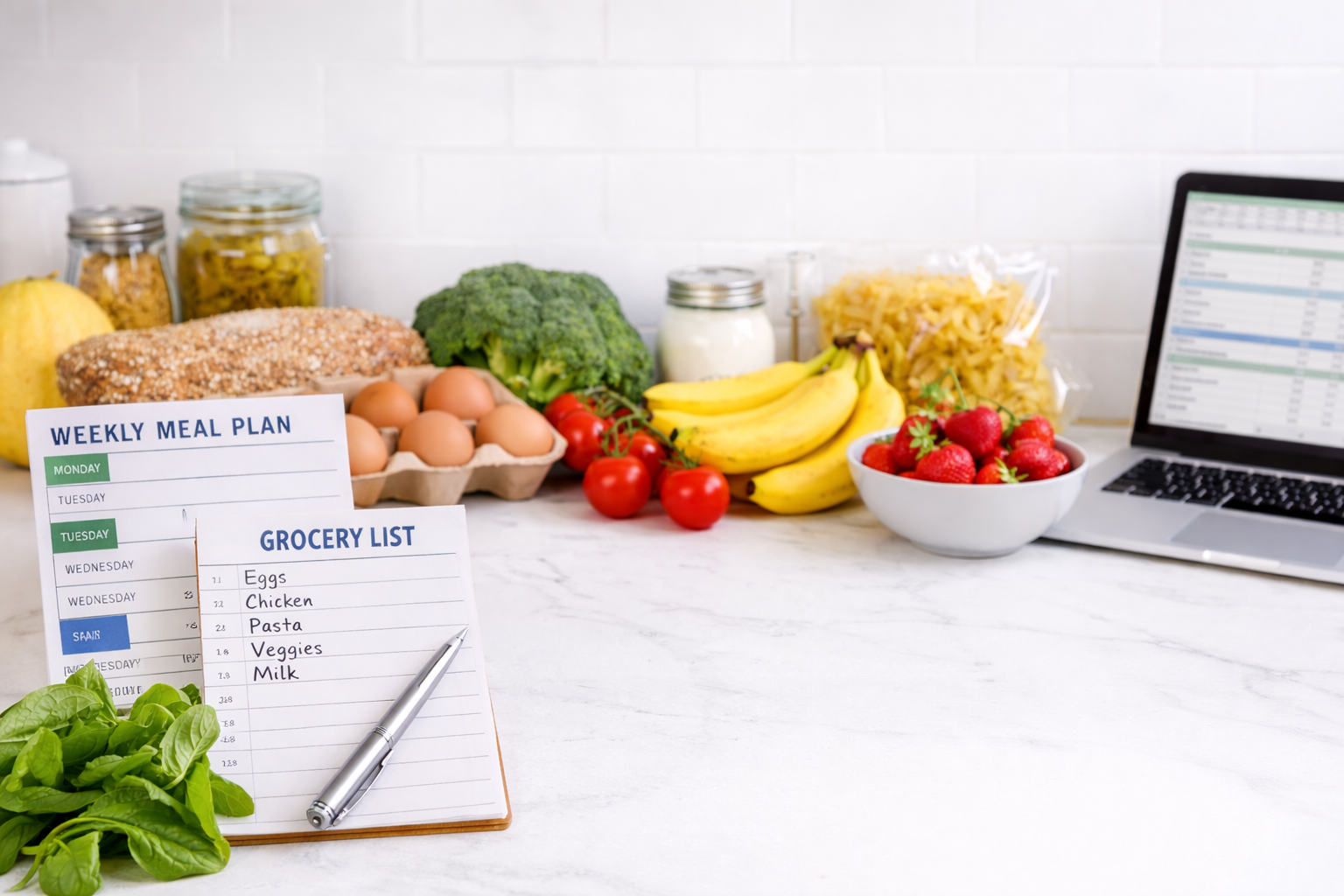
Groceries are one of the fastest ways to lose control of a family budget. Not because people are careless. Because food is constant, prices keep changing, and everyone in the house still expects dinner every night. Inconvenient, really.
The good news is that grocery budgeting does not need to be complicated. You do not need an extreme coupon binder, a five-store route, or a spreadsheet that looks like it was built by NASA. You need a simple plan you can stick to.
If your grocery bill keeps creeping up, here is how to get it back under control.
Why Grocery Budgets Fail
Most grocery budgets fail for the same few reasons:
shopping without a list
buying food before checking what is already at home
planning meals after shopping instead of before
making multiple “quick” trips during the week
throwing random extras into the cart because they were on sale
A grocery budget usually does not fail because your number was too low. It fails because there was no system behind it.
Start With One Weekly Grocery Number
The easiest way to budget groceries is to set one weekly number.
A weekly number is easier to manage than a vague monthly target because you can adjust quickly. If your goal is $225 or $250 per week, you can see right away whether things are on track. A monthly grocery budget often gets blown early, then quietly ignored.
Your weekly number should cover your normal grocery spending. Keep special occasions, major stock-up trips, or household-only items separate if that makes your budget easier to follow.
The point is to create a realistic number you can actually use in real life.
Check What You Already Have First
Before you make a grocery list, check your:
fridge
freezer
pantry
This step is simple and saves money immediately.
Most families already have enough ingredients at home to build at least one or two meals. Pasta, rice, wraps, eggs, frozen vegetables, chicken, soup, beans, cereal, or half a bag of shredded cheese that is somehow still surviving.
Meal planning gets cheaper when you start with what you already own instead of building every week from scratch.
Plan Fewer Meals Than You Think You Need
One of the most common meal planning mistakes is trying to plan every single meal perfectly for the week. That sounds organized. It also tends to create waste.
A better approach is to plan:
4 to 5 dinners
2 backup meals
repeat breakfasts
simple lunch options
Backup meals are important. These are your low-effort meals for nights when life goes sideways.
Examples:
grilled cheese and soup
quesadillas
eggs and toast
pasta with sauce
frozen dumplings and vegetables
breakfast for dinner
These meals cost less than takeout and save you from spending money just because everyone is tired.
Build Your Grocery List From the Meal Plan
Once your meals are planned, make your grocery list from those meals.
Do not rely on memory. Memory is how you come home with yogurt, crackers, and absolutely nothing that qualifies as dinner.
Your grocery list should include:
ingredients for planned dinners
breakfast and lunch staples
snacks your family actually eats
essentials you are truly out of
This is where grocery budgeting becomes more effective. You stop buying random food and start buying a plan.
Keep a Short List of Budget-Friendly Meals
Every household should have a small list of affordable meals that are easy to make and likely to be eaten.
Examples include:
spaghetti with meat sauce
tacos or taco bowls
sheet pan chicken and vegetables
chili with buns or rice
baked potatoes with toppings
stir fry with rice
soup and sandwiches
These meals help when money is tight, schedules are busy, or you need to keep things simple. They are not flashy. That is not the point. They work.
Watch the Quiet Budget Killers
Some grocery expenses do not look serious in the moment, but they add up fast.
Common examples:
convenience snacks
individually packaged items
pre-cut produce
impulse drinks
“just in case” extras
extra trips to the store
None of these are automatically bad. The issue is not whether you ever buy them. The issue is whether they are intentional.
A few convenience items may be worth it. A cart full of them is usually just a budget leak with better packaging.
Do One Main Grocery Shop Per Week
One main grocery trip each week usually works better than several smaller trips.
Small trips feel harmless. They are not. They often turn into “I just need milk” plus chips, frozen pizza, juice, cookies, and one thing you bought because it had a yellow sale tag and a strong personality.
A main grocery trip gives you structure. Top-up trips should be occasional, not your system.
Review the Week and Adjust
At the end of the week, do a quick check:
What did you spend?
Did you stay close to your number?
What got wasted?
What meals worked well?
What ran out too fast?
That is how grocery budgeting improves over time. Not by being hard on yourself, but by noticing patterns and adjusting.
If one week goes over, that is information. Use it.
Why Meal Planning Helps So Much
Meal planning is not about becoming ultra-disciplined or cooking seven gourmet dinners a week. It is about reducing decisions, avoiding waste, and making grocery spending less reactive.
When you know what meals you are making, you shop with more purpose. When you shop with more purpose, you spend less on random extras. When you spend less on random extras, your grocery budget starts acting like a budget again.
That is the whole game.
Final Takeaway
If you want to stop overspending on groceries, keep it simple:
set one weekly grocery number
check what you already have
plan 4 to 5 dinners
make a list from the meal plan
do one main grocery trip
review the week and adjust
Not fancy. Just effective.
Make Budgeting Easier
If you want a simple way to track groceries, weekly spending, and your overall household budget in one place, check out my Simple Family Budget System.
It is designed for real families who need a flexible system without the clutter.
Get the tracker here:
Simple Family Budget System – Core Edition